
No verification casinos not on GamStop and the risks
By Daniel Ashworth, Gambling Regulation Analyst. Published 10 October 2026. About 9 minutes to read.
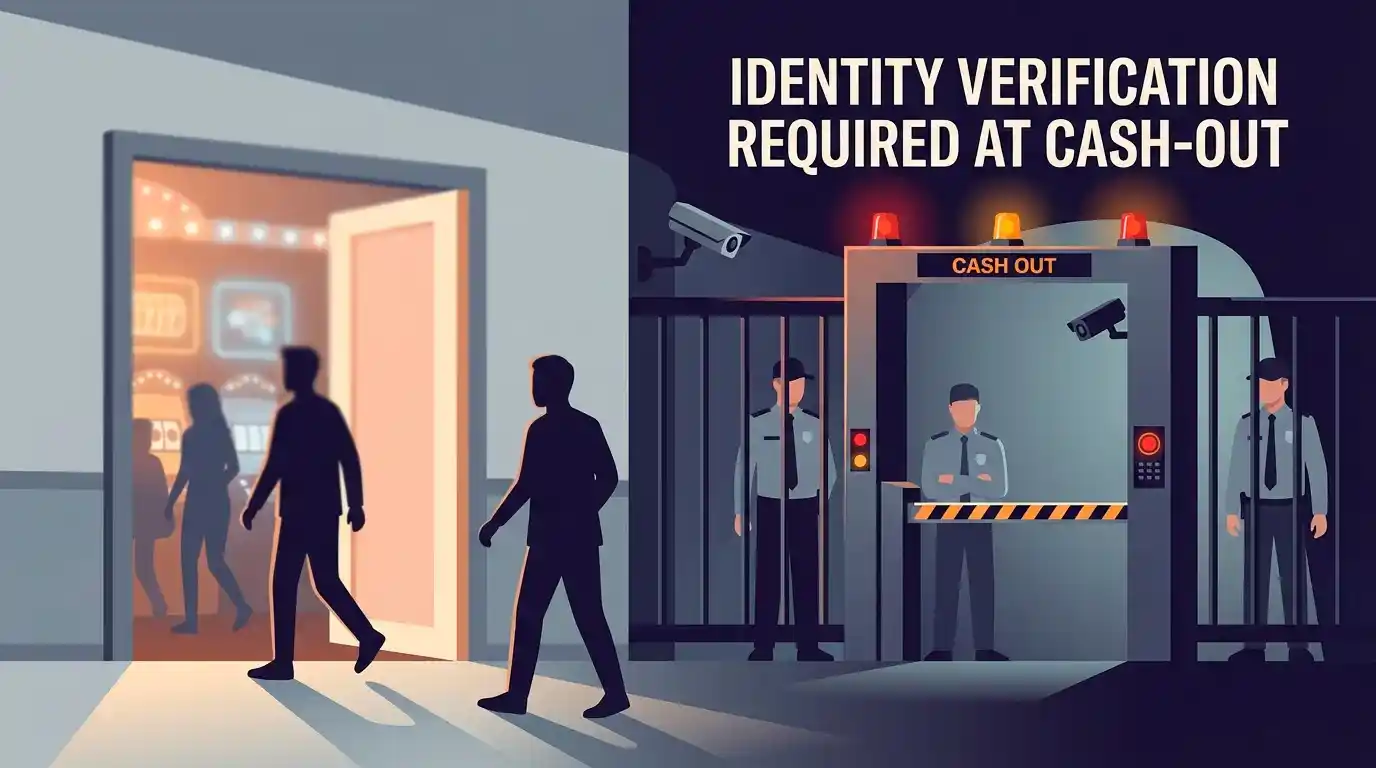
“No verification” and “no KYC” are among the most searched and most misleading promises in the whole non GamStop category. They are sold as privacy and speed. In practice the verification rarely disappears; it is moved to the moment you try to withdraw, where it becomes the single most effective tool an unlicensed operator has to stall or deny a payout. Understanding where the identity check really happens is the difference between reading the offer as a feature and reading it as a warning.
The full picture is in our roadmap to casinos not on GamStop.
Understand what no KYC actually means
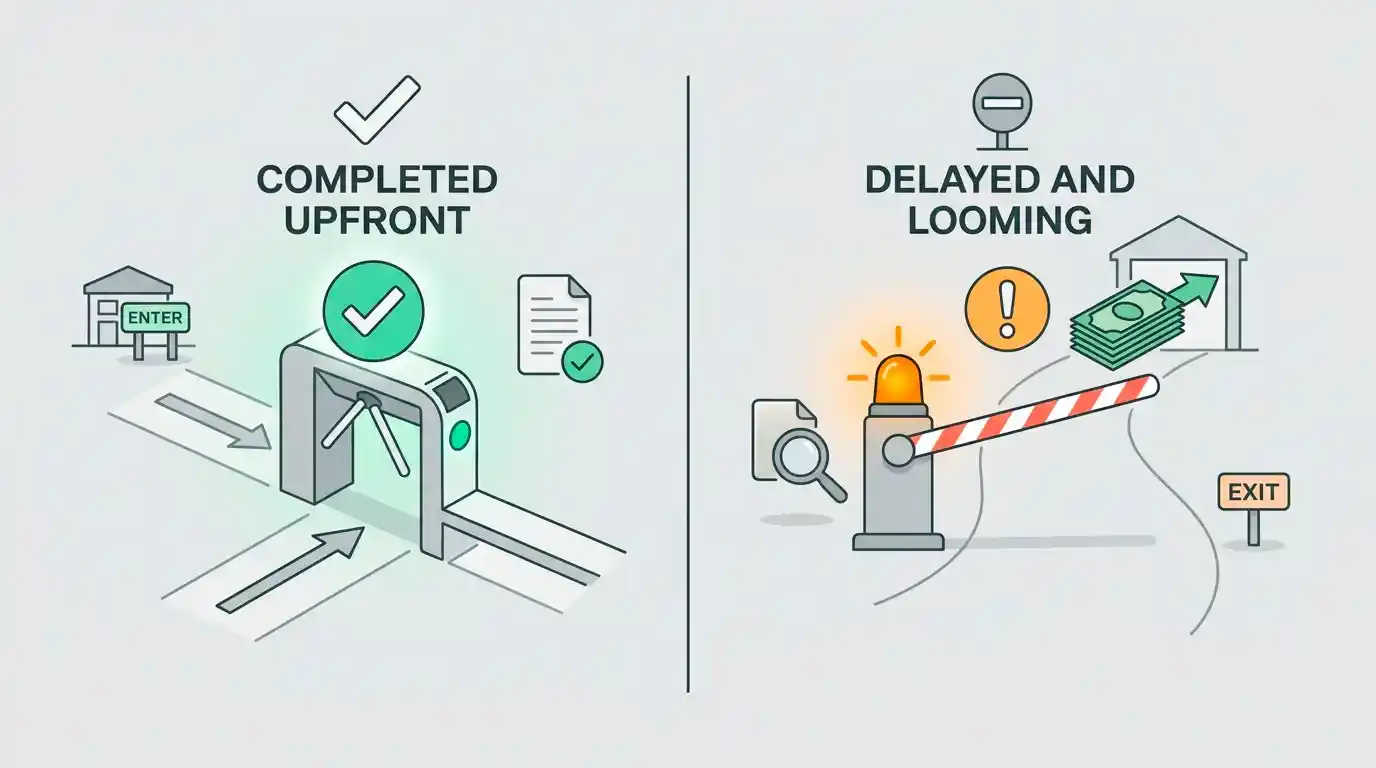
Know Your Customer, or KYC, is the process of verifying who a player is: confirming identity, age and sometimes source of funds. On a UK Gambling Commission licensed site this is a licensing requirement and is generally completed up front, before any meaningful play, because the operator must establish that the customer is who they say they are and is not a self-excluded or underage person. The offshore “no verification” model inverts that. Sign-up asks for very little, deposits in crypto need no bank details, and the site advertises that you can start playing in moments with no documents. The marketing frames this as respect for your privacy and a faster experience.
The reality is that verification is almost never genuinely absent on a site handling real money; it is deferred. A casino that lets you deposit and play without checks has not given up the right to ask who you are, it has simply chosen when to ask. And the moment it chooses is rarely the deposit. It is the withdrawal, the one point in the relationship where delay works entirely in the operator’s favour. To see why these operators are structured to behave this way, it helps to read this alongside how non GamStop casinos work, because the deferred check is part of the same design as the crypto cashier and the weak licence.
There is also a direct link to how these sites take money, because no-KYC and no-bank-detail go together. A site that never asks for a bank account can also delay asking for identity, which is why “no verification” and crypto deposits almost always appear on the same cashier. The mechanics of that pairing are set out in our guide to crypto and no-bank-detail deposits, and the two pages are best read as a pair.
See how deferred verification becomes a withdrawal stall
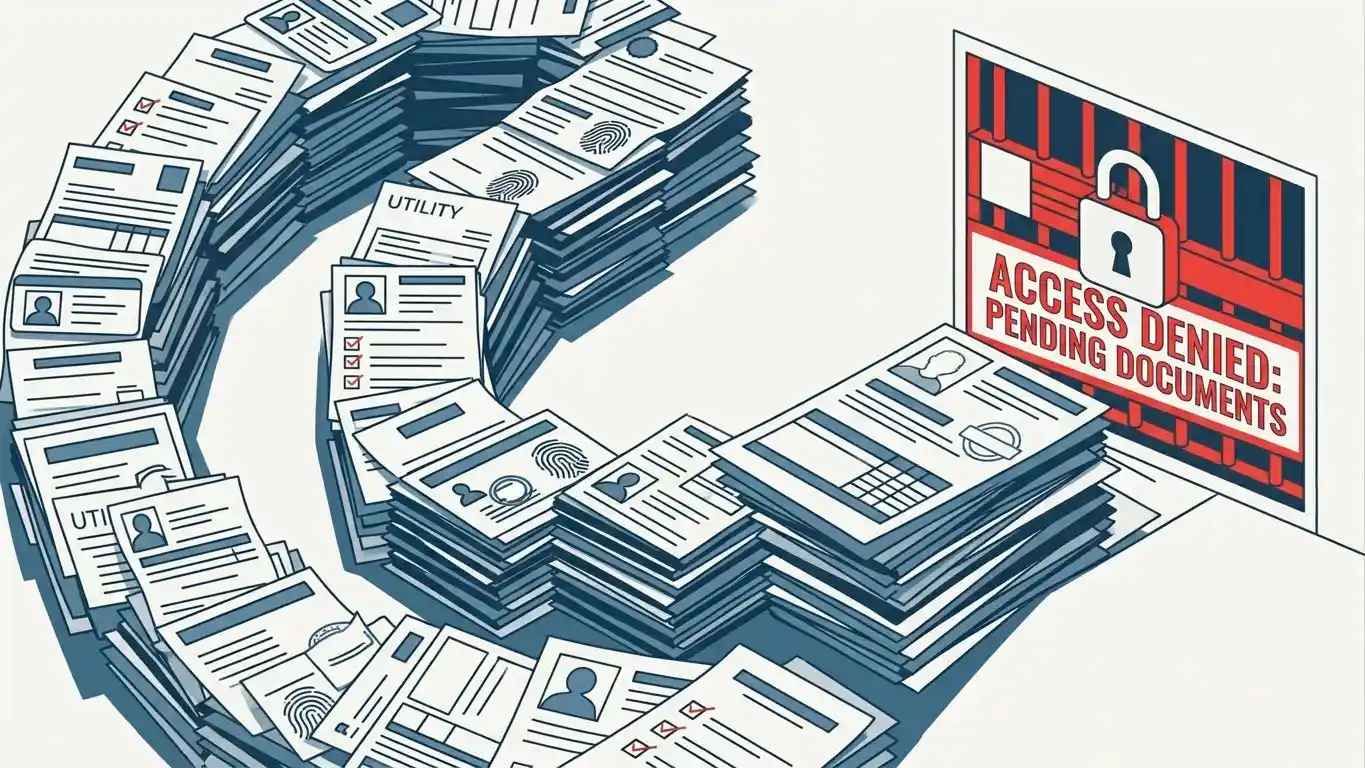
The documented complaint pattern across rogue and unlicensed sites is consistent enough to describe as a playbook. A player deposits, plays, and wins. Only when they request a withdrawal does the verification appear, and it appears in a form designed to be hard to satisfy. The operator requests identity documents, then proof of address, then proof of payment method, then a selfie holding the documents, and frequently rejects each submission for a vague reason and asks for it again. Each cycle resets an internal clock, and the practical effect is that the payout never arrives while the player exhausts themselves resubmitting paperwork. A check that would have taken minutes at sign-up becomes an open-ended obstacle at cash-out.
The reason this is so effective is structural rather than incidental. On a UK-licensed site, an unreasonable withdrawal obstruction can be escalated to an approved alternative dispute resolution provider and ultimately reflected in the operator’s standing with the regulator. On an unlicensed offshore site there is no such backstop: the operator is both the gatekeeper and the final arbiter of whether your documents are acceptable, and there is no UK body that can compel it to pay. The stall is low-risk for the operator precisely because the player has nowhere to take the complaint. This is one of the clearest illustrations of what protection you lose the moment you step outside the licensed market.
Read absent verification as an anti-money-laundering red flag
Beyond the personal risk of a stalled payout, the absence of meaningful KYC is a red flag in its own right, and not only for the player. Identity and source-of-funds checks are the front line of anti-money-laundering controls, which is why they are mandatory in regulated markets. A gambling site that deliberately avoids them is, by design, an attractive environment for moving illicit money, and that exposure can reach an ordinary customer who never intended anything wrong. Funds can be commingled, accounts can be flagged by downstream banks, and a player can find themselves caught up in checks that have nothing to do with their own conduct.

UK regulators have been explicit that weak verification is a current and worsening problem rather than a theoretical one. The Gambling Commission has warned that criminals are using AI-generated synthetic identities and deepfakes to defeat onboarding checks, and that accounts opened with fabricated credentials are increasingly linked to money laundering. The same enforcement direction sits behind the industry warning notice of 20 January 2025, which highlighted that unlicensed markets accessible to GB consumers often target vulnerable customers, including people who have self-excluded through GamStop. You can follow the regulator’s wider position through the UK Gambling Commission. Read in that light, a “no KYC” badge is not a privacy promise; it is a sign the operator sits on the wrong side of the controls the rest of the market is tightening.
Watch for the post-win freeze and the bonus-abuse pretext
The deferred-verification stall rarely travels alone. It is commonly paired with an allegation that converts a delay into an outright loss. After a win, and often at the same moment the document demands begin, the operator alleges “bonus abuse”, “irregular play” or “fraud”, freezes the account, and treats the winnings as forfeit. Because these terms are defined so broadly in the site’s own conditions, almost any successful pattern of play can be made to fit, and the player has agreed to terms that let the operator be the sole judge. The verification request and the abuse allegation work together: one delays the payout, the other provides a justification for never making it.

This is where the weakness of the underlying licence matters most. A complaint about a frozen account is only as strong as the regulator standing behind it, and for a casino licensed in a light-touch jurisdiction that regulator may offer no realistic escalation at all. Whether a brand holds a reforming Curacao licence or a cheap fast-track one changes how much recourse exists on paper, a distinction set out on our page about what licence they hold. The honest reading is that on the weakest licences the freeze is effectively final, and the deposit is gone.
Weigh the promise against the pattern before you deposit
Putting the pieces together gives a simple test. A “no verification” or “no KYC” promise should be read as information about when and how the operator intends to check you, not whether it will. If the check is deferred to withdrawal, the risk is concentrated at exactly the point you most want your money, and there is no UK body to appeal to if the check is used to stall. Add the anti-money-laundering exposure and the bonus-abuse freeze, and the supposed convenience starts to look like the mechanism of the loss rather than a benefit alongside it.

If the appeal of no verification is that your normal accounts are blocked, that block is often doing its job. The protective response is to reinforce it rather than route around it, and to treat the privacy framing with suspicion: the sites that ask the fewest questions at the door tend to be the ones with the least intention of paying at the window. For the full context of how this category works you can return to the main casino not on GamStop guide, and if the pull toward these sites is itself the problem, the support resources below are free and immediate.
If a blocked account is what brought you here
If you are looking for no-verification sites because your usual accounts are blocked after a self-exclusion, that block is often working as intended, and talking it through is the protective step. The National Gambling Helpline, operated by GamCare, is free and available 24 hours a day on 0808 8020 133 for residents of England, Scotland and Wales. Support and tools are available through GamCare and BeGambleAware, and the official self-exclusion scheme is at GamStop.
About the author
Daniel Ashworth is a gambling-regulation researcher who has spent more than a decade analysing how UK and offshore licensing frameworks shape online casino access. His work focuses on self-exclusion mechanisms, consumer-protection rules and the practical risks players face when they look beyond GamStop-registered operators. He writes plain-English explainers that translate licence conditions, regulatory consultations and case law into guidance ordinary readers can act on. He holds a recognised responsible-gambling practitioner certification and regularly references primary regulatory sources rather than secondary commentary. Read more on the about page.
This page is informational and does not endorse any operator. It describes documented complaint patterns rather than guaranteeing any individual outcome. Verify any dated detail against the linked primary sources before relying on it.
How the money moves at these sites: the payment routes.
Offshores
Published by the Casinoexitgamstop.com team.