
Offshore licences behind non GamStop casinos
By Daniel Ashworth, Gambling Regulation Analyst. Published 10 October 2026. About 10 minutes to read.
When a non GamStop casino says it is “licensed”, the next question that decides everything is: licensed by whom. The licence badge in the footer is the single most over-read trust signal in this category. This page explains the jurisdictions that actually issue these licences, what the 2024 Curacao reform did and did not change, and why a bare Curacao or Anjouan licence is a reason for caution rather than reassurance.
The full picture is in our roadmap to casinos not on GamStop.
Read the badge for what it actually promises
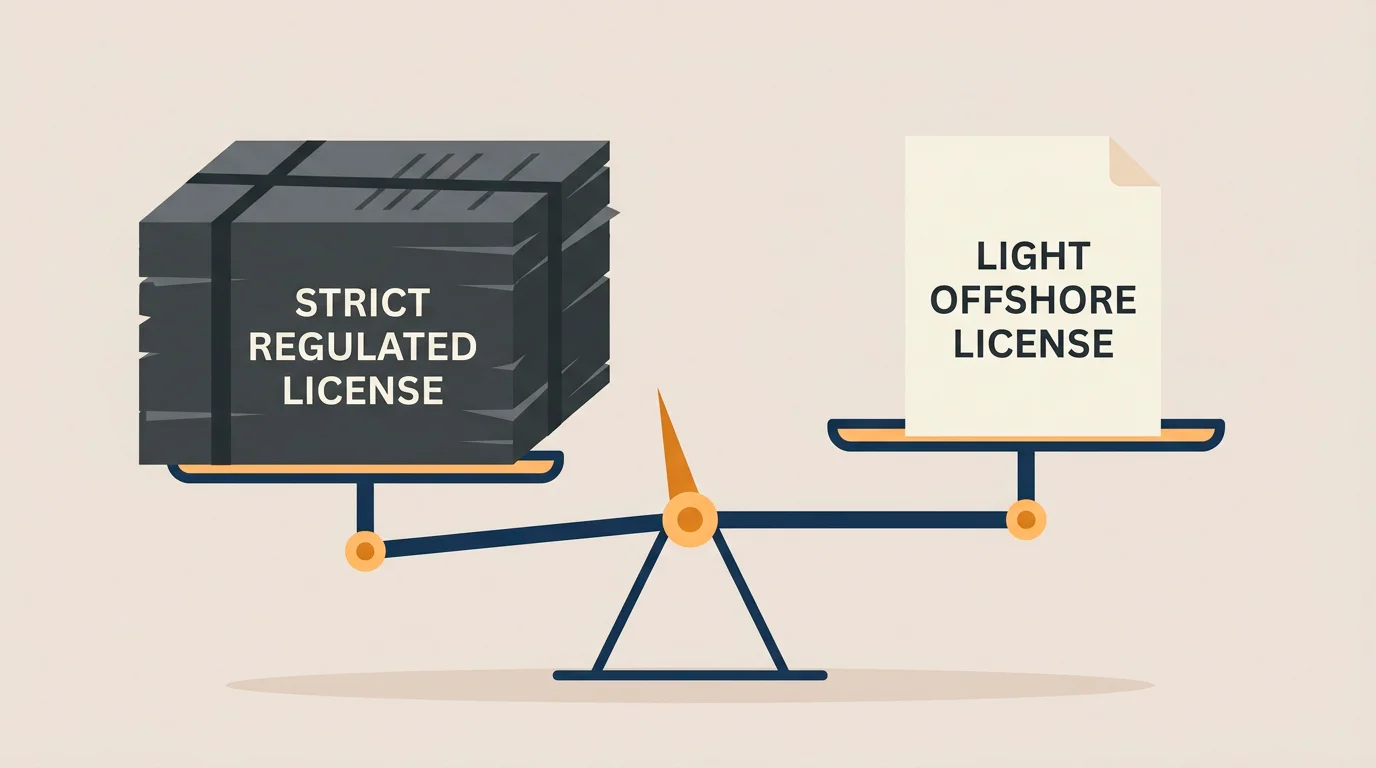
A gambling licence is a contract of expectations between an operator and a regulator, and its value to you depends entirely on what that regulator demands and whether it will act when something goes wrong. A UK Gambling Commission licence carries a heavy set of obligations: segregated player funds, fair terms, responsible-gambling duties, mandatory participation in GamStop, and access to an approved alternative dispute resolution provider. An offshore licence may carry some, few, or almost none of those obligations, and crucially may offer no realistic escalation path if the operator simply ignores you. So when you see a licence reference on a non GamStop site, the meaningful comparison is not “licensed versus unlicensed”. It is “which regulator, with which powers, and how reachable from the UK”. The supporting pages in this section, including how payments work offshore and bonuses and game fairness, all trace back to this one variable.
It also helps to keep the UK baseline in view as a contrast. The whole British licensing edifice rests on the Gambling Act 2005, which created the regulator and the operating-licence regime, and the wider rules continue to tighten, as set out in our overview of UK gambling regulation. Offshore jurisdictions occupy a spectrum below that baseline, and the gap is widest at the cheapest end.
Understand the old Curacao model before judging the new one
Curacao is the dominant licensing home for “not on GamStop” brands, so its history matters. For roughly three decades the island ran a system built on the 1993 National Ordinance on Offshore Games of Hazard, known by its Dutch initials NOOGH. Under that framework a small number of private master-licence holders, four companies for most of the period, were entitled to issue sub-licences to operators. An individual casino did not deal with the government directly; it bought a sub-licence from a master holder. Oversight was minimal, anti-money-laundering and player-protection standards varied between master holders, and there was no single public authority a wronged player could turn to. This is the model that gave Curacao its reputation as a cheap, light-touch, high-volume licensing hub, and it is the model that the rest of this page describes being dismantled.
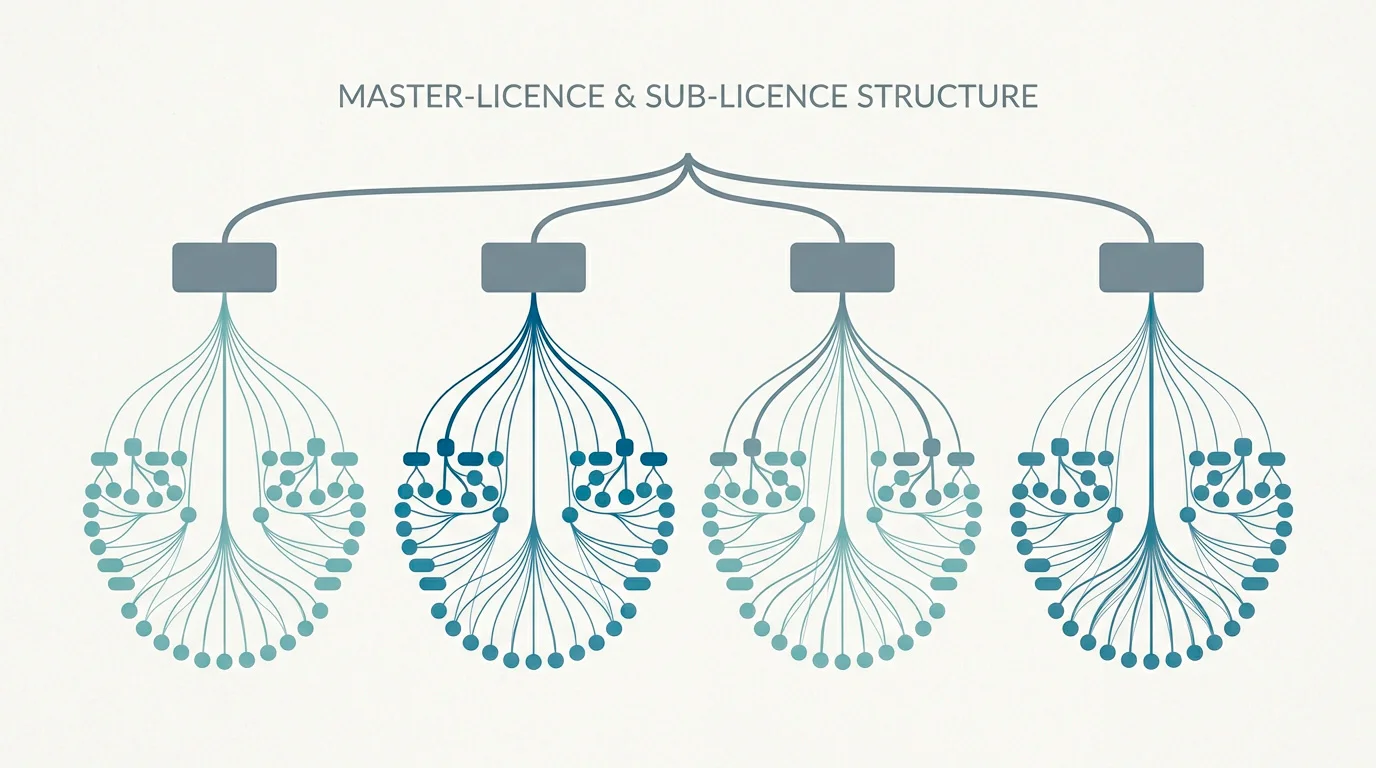
The reason this background matters for a UK reader is simple. A great many offshore brands still carry licence numbers and language inherited from the sub-licence era, and affiliate listings often present any Curacao reference as if it were a uniform stamp of approval. It never was. Even at its most active, a Curacao sub-licence was a low bar, and a player who lost a dispute under it had little practical recourse.
Track what the 2024 LOK reform changed
Curacao has now reformed this system. The National Ordinance on Games of Chance, known by its Dutch abbreviation LOK (Landsverordening op de Kansspelen), was approved by the Curacao Parliament on 17 December 2024 and entered into force on 24 December 2024. The reform was pursued as a condition of Dutch financial support during the pandemic, and it makes three structural changes. First, it ends the master-licence and sub-licence model and makes a single government body, the Curacao Gaming Authority (CGA), the sole direct issuer of licences. Second, it introduces distinct licence categories for business-to-consumer operators and business-to-business suppliers. Third, it requires applicants to be incorporated and established in Curacao with a resident managing presence, raising the bar above the old shell-company norm. Existing holders moved into the new framework through a time-limited transitional arrangement rather than continuing indefinitely.
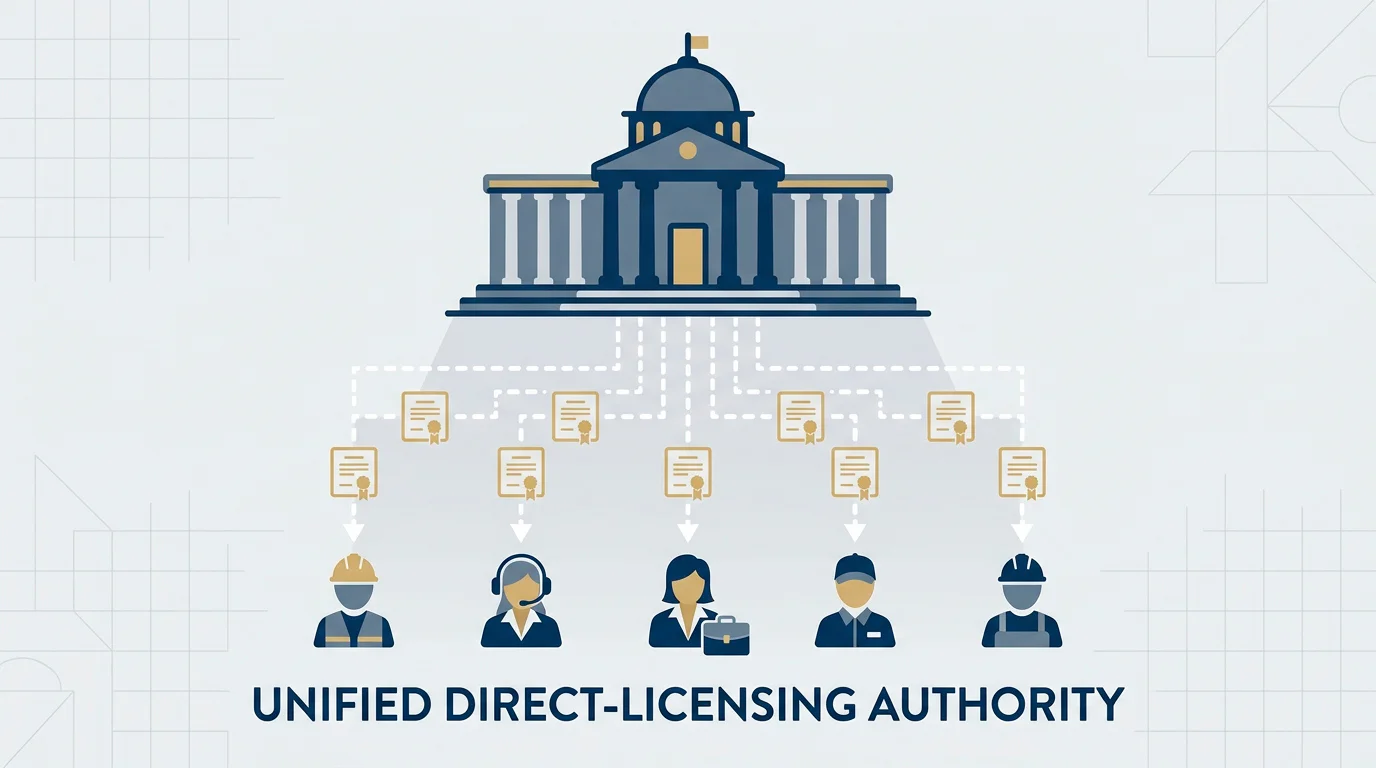
This is genuine improvement, and it is fair to say Curacao is moving from the bottom tier toward the middle. But two cautions belong in the same breath. The reform is recent, so a brand’s footer may still reference an old entity or a lapsed seal while the corporate reality has shifted, which is exactly the kind of mismatch that the operator landscape page documents in the network model. And a reformed Curacao regime is still not a UK regime: there is no GamStop, no UK alternative dispute resolution, and no Financial Ombudsman behind it. You can read the authority’s own account of the reform on the Curacao Gaming Authority site, and the UK contrast is anchored in the Gambling Act 2005.
Spot the cheaper Anjouan route and what it signals
As Curacao tightened, demand shifted toward cheaper and faster alternatives, and Anjouan, an island in the Union of the Comoros, became the most visible of these. The Anjouan offer is built on speed and price: a flat licensing fee of roughly EUR 17,000, no requirement for local staff, no gaming-revenue tax, and applications reportedly processed in around four weeks. From July 2025 Anjouan added a Recognition Certificate addressing game fairness and anti-money-laundering, which signals an awareness of the credibility problem, but the underlying proposition remains a low-cost, light-touch licence. For a player, an Anjouan badge is best read not as a quality mark but as a price point: it tells you the operator chose the cheapest credible-looking option, which says something about how much it expects to invest in player protection.
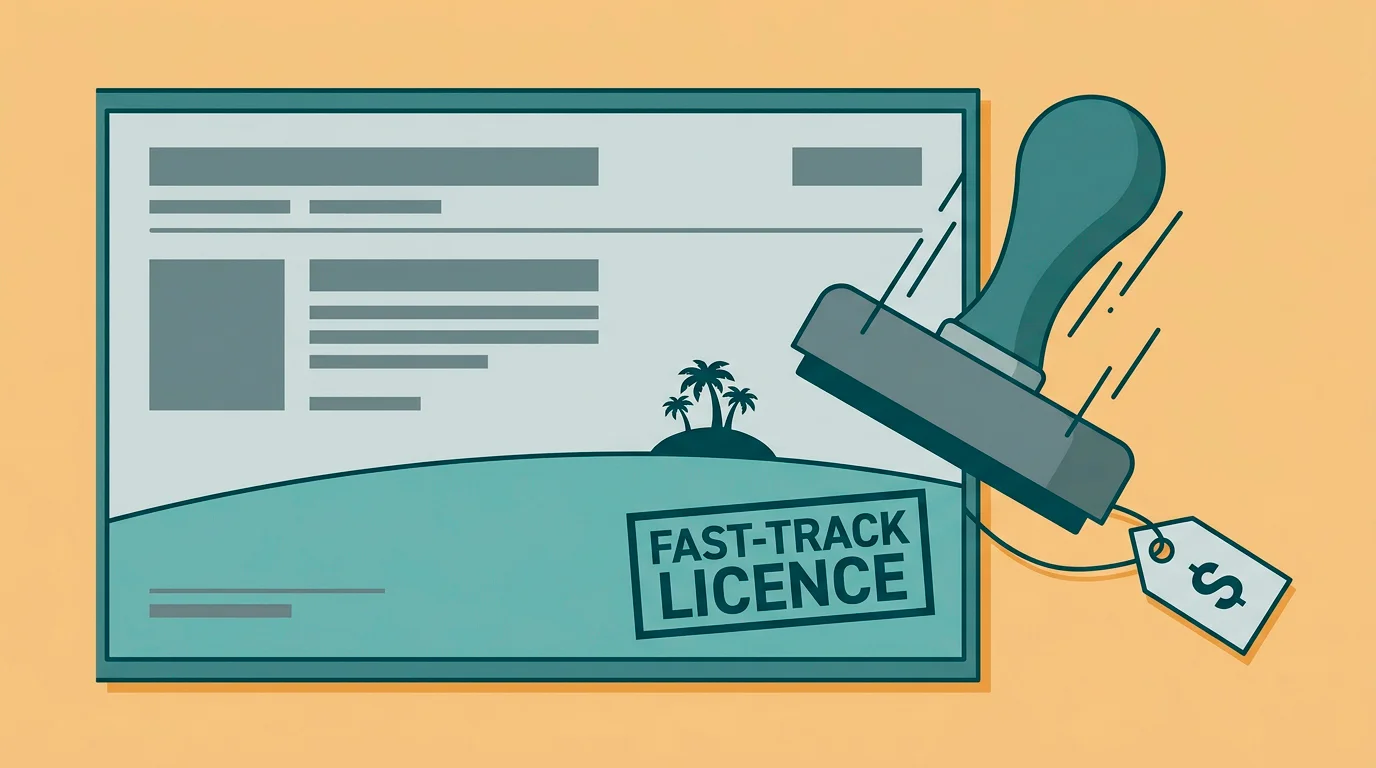
The same logic applies to other names that recur at the budget end, such as Nevis and Tobique. None of these is a UK-style regulator, and a licence from any of them tells you almost nothing about whether you will be paid after a win. The practical consequences of a weak licence show up most sharply when something goes wrong, which is why this page connects directly to no KYC casinos explained and to the broader account of recourse on the protection page.
Rank the regulators by what recourse they actually offer
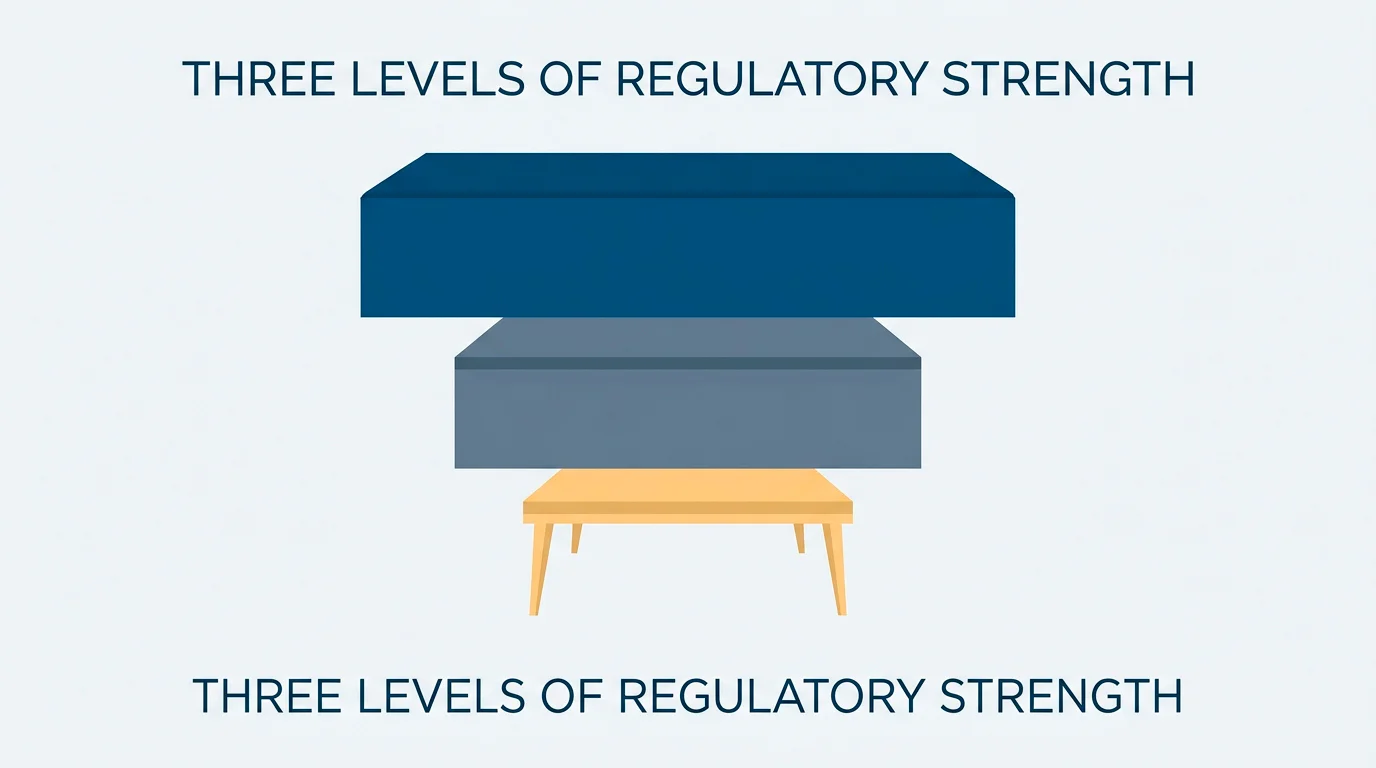
Putting the jurisdictions on a single ladder helps cut through the affiliate noise. At the top of the offshore range sit the Malta Gaming Authority (MGA) and the Isle of Man, which are treated as the more credible offshore regulators because they impose real obligations and offer genuine escalation paths if an operator misbehaves. In the middle sits a reforming Curacao, which is improving after the LOK reform but is not yet at the MGA level and still lacks UK-equivalent protections. At the bottom sit Anjouan, Nevis, Tobique and similar light-touch regimes, where consumer protection is weakest and recourse is largely theoretical. The single most useful takeaway is this hierarchy of caution rather than any individual badge.Stronger offshore tier: Malta (MGA) and Isle of ManSubstantive obligations and real escalation paths, though still not UK protections and still outside GamStop.Middle tier: Curacao (post-LOK)Reformed in December 2024 toward direct government licensing, improving but not yet at the top tier, and with no UK alternative dispute resolution behind it.Weakest tier: Anjouan, Nevis, TobiqueCheap, fast and light-touch, with the thinnest consumer protection and recourse that is largely on paper.
The honest conclusion is the one the affiliate SERP tends to omit. A licence is not a binary safe-or-unsafe signal, it is a spectrum, and most “not on GamStop” brands sit on the lower half of it. A bare Curacao or Anjouan reference is a prompt to ask harder questions about funds, withdrawals and complaints, not a reason to relax. For the wider context of why this whole market exists, you can return to our UK player roadmap, and to see how licence tier feeds directly into payment risk, read crypto deposits and the bank block.
If you do want to test a licence claim rather than take it at face value, the basic checks are practical ones. Confirm that the licence number on the footer matches a live record on the issuing authority’s own register rather than a third-party badge image, and treat a footer that names a corporate entity different from the one in the terms and conditions as a warning rather than a detail. A licence that cannot be verified on the regulator’s own site, or that points to a body with no public complaints process, should be read as no meaningful protection at all. None of these checks turns an offshore licence into a UK one, but they at least separate a real low-tier licence from a decorative one, and they reinforce the central point of this page: the badge is the beginning of the question, not the answer.
Where to turn before you weigh up a licence
If you are comparing offshore licences because you self-excluded and want to play again, the safest first step is to talk to someone rather than to chase the strongest-looking badge. The National Gambling Helpline, operated by GamCare, is free and available 24 hours a day on 0808 8020 133 for residents of England, Scotland and Wales. Support and tools are also available through GamCare and BeGambleAware, and the official self-exclusion scheme is at GamStop.
About the author
Daniel Ashworth is a gambling-regulation researcher who has spent more than a decade analysing how UK and offshore licensing frameworks shape online casino access. His work focuses on self-exclusion mechanisms, consumer-protection rules and the practical risks players face when they look beyond GamStop-registered operators. He writes plain-English explainers that translate licence conditions, regulatory consultations and case law into guidance ordinary readers can act on. He holds a recognised responsible-gambling practitioner certification and regularly references primary regulatory sources rather than secondary commentary. Read more on the about page.
This page is informational and does not endorse any operator or jurisdiction. Licensing rules change; verify any dated detail against the linked primary sources before relying on it.
What a weaker licence costs the player: the lost protections.
Offshores
Published by the Casinoexitgamstop.com team.