
By Daniel Ashworth, Gambling Regulation Analyst. Published 10 October 2026. About 10 minutes to read.
If you are weighing up a casino not on GamStop, the most useful thing to understand is not the offshore site itself but the direction the UK market is moving in. Two things are happening at once in 2026. The regulated product is becoming tighter and, for some players, less generous, while the offshore alternative is being squeezed harder than at any point in the past decade through tax, payments and enforcement. The offshore route is often sold as an escape from a fussy regulator. The accurate reading of the current rules is that the route is getting riskier and harder to fund, not safer, and this page sets out the concrete measures and dates so you can judge that for yourself.
The full picture is in our roadmap to casinos not on GamStop.
Know the framework before the headlines
UK gambling is regulated by the Gambling Commission under the Gambling Act 2005, with operators bound by the Licence Conditions and Codes of Practice, usually shortened to the LCCP. That framework is the engine of everything described below, because the measures of the last two years all flow from a single document, the April 2023 White Paper titled “High Stakes: Gambling Reform for the Digital Age”, which set out a programme of 62 measures to modernise the rules for online play. Most of what reaches the news as a separate announcement is in fact a White Paper measure finally arriving in force, which is why the dates cluster so heavily across 2024 to 2026.
The practical effect for someone comparing UK and offshore casinos is that the gap between the two products is widening on purpose. UK sites are being asked to slow play down, check affordability and rein in bonuses, while offshore sites do none of that and advertise the difference as freedom. Reading the measures in order makes clear that the regulator is not tightening at random; it is steadily closing the features that drove harm, and the offshore market exists precisely by offering those features back. The regulator publishes its current priorities and the LCCP itself at the UK Gambling Commission, and the wider government policy record sits at GOV.UK.
The rules reshaping the regulated product
Three product changes matter most. First, statutory stake limits now cap online slot play: a maximum of 5 pounds per spin for players aged 25 and over, which took effect on 9 April 2025, and a tighter 2 pounds per spin for players aged 18 to 24, which followed on 21 May 2025. These were brought in by amendment regulations under the Gambling Act 2005 and are a direct response to evidence that high-speed, high-stake slots drive disproportionate harm. Second, a statutory levy on operators came into force under the Gambling Levy Regulations 2025 on 6 April 2025, becoming payable from 1 October 2025, and is intended to raise in the region of 100 million pounds a year for research, prevention and treatment, with a substantial share routed to the NHS-led treatment system.
Third, financial vulnerability checks now sit in the background of regulated play. A light-touch check using publicly available data was introduced at a 500 pound net-deposit trigger from 30 August 2024, then lowered to 150 pounds of net deposits over a rolling 30-day period from 28 February 2025. These are deliberately frictionless background checks rather than the heavier “financial risk assessments” that remain in a pilot, and the Commission has stressed that the great majority of assessments complete without the player noticing and that these are not blanket affordability checks. The industry, including the Betting and Gaming Council and racing interests, has contested the heavier assessments, which is part of why they remain a pilot rather than a settled rule.

The 2026 bonus clampdown that offshore sites trade against
From 19 January 2026, UK-licensed operators face a 10 times cap on bonus wagering requirements and a ban on mixed-product promotions that bundle, for example, a casino bonus with a sports free bet. This single change explains a great deal of the offshore pitch. The selling point of a casino not on GamStop is frequently a larger, looser bonus than a UK site is now permitted to offer, and that contrast is real. What the pitch omits is that offshore bonuses sit outside the cap because they sit outside all UK rules, so the same freedom that allows a bigger headline figure also allows very high wagering, low maximum bets while wagering, near-total win caps and unilateral voids. The mechanics of that trade-off are set out in detail on the page about the 2026 bonus rules in practice, which compares the capped UK offer with the uncapped offshore one.

The tax shift that is reshaping the whole market
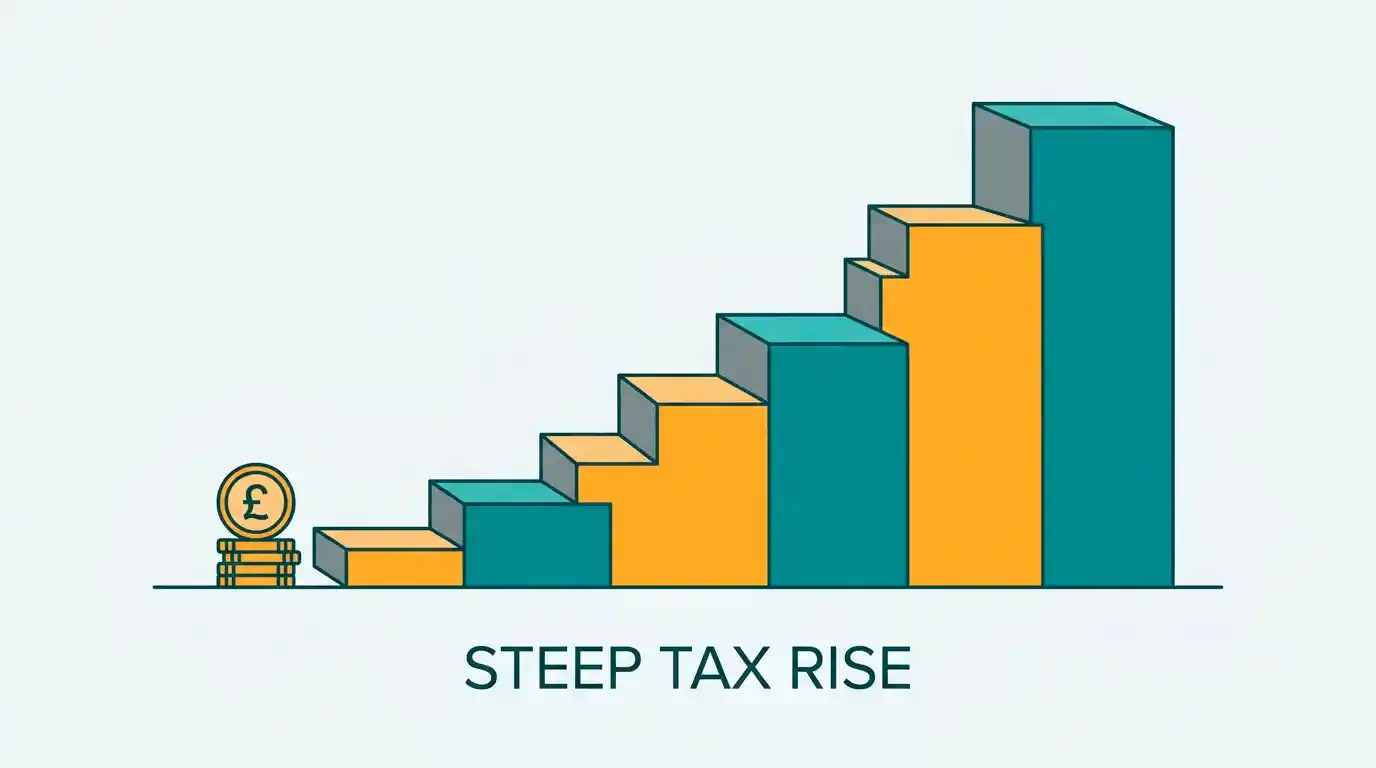
The most consequential change of all is fiscal. Following the Autumn Budget 2025, Remote Gaming Duty, the tax on online casino and gaming profits, rises from 21 percent to 40 percent from 1 April 2026. Bingo duty, previously 10 percent, is abolished from the same date, and a new 25 percent remote betting rate within General Betting Duty arrives from 1 April 2027, with remote bets on UK horse racing held at 15 percent. Because Remote Gaming Duty is charged on operator profit and is tied to the customer’s location rather than the operator’s, it bites licensed operators serving British players hard, and the government’s own expectation is that operators will pass much of the increase to consumers through worse odds and thinner offers.
This is where the offshore picture sharpens. Critics across the industry warn openly that a near-doubling of the headline gaming duty could push some players toward the black market, where operators pay no UK duty at all. The regulator and government are alive to that risk, which is exactly why the enforcement measures described below are arriving in parallel rather than later. Reading the tax change and the enforcement push together is the only honest way to read 2026: the regulated product is being made more expensive to run while the unlicensed alternative is being made harder to reach. You can read the official duty changes through GOV.UK and the HMRC Budget documents.
The 2026 enforcement push aimed straight at the offshore route
The headline enforcement development is the Illegal Gambling Taskforce, launched in January 2026, with its terms of reference published by the Department for Culture, Media and Sport on 13 May 2026. It is a 12-month initiative chaired by the Minister for Museums, Heritage and Gambling and co-chaired by the DCMS Director of Sport and Gambling, meeting at least twice a year with subgroups meeting quarterly, and it operates under Chatham House rules with member organisations not individually published. Its three objectives are to prevent or reduce payments to and from illegal operators, to tackle the online advertising of illegal gambling, and to improve cross-agency enforcement. Named participants reported around the launch include Visa, Mastercard, Google and TikTok, which signals that the financial and advertising rails offshore sites depend on are the explicit target. You can read the framework at the Illegal Gambling Taskforce terms of reference on GOV.UK.
Alongside the taskforce, the Gambling Commission has expanded its own disruption work. Referrals of illegal gambling URLs to search engines rose sharply through 2025, a consumer reporting tool for suspicious sites has been added, the Commission has been recruiting its first dedicated Head of Illegal Markets, and IP-blocking powers were strengthened in the wake of the White Paper. The scale being targeted is large: an H2 Gambling Capital analysis published in May 2026 put annual UK stakes with unlicensed operators at around 16.6 billion pounds in 2025, more than triple the 2019 figure, while a separate estimate cited by the Campaign for Fairer Gambling put illegal operators at roughly 9 percent of Britain’s online market. The reason payments feature so heavily is set out on the page about the risks offshore, where the loss of any UK recourse against an offshore shell is the practical consequence.

What the direction of travel means for your decision
Tie the threads together and the trajectory is unmistakable. Tighter stake limits, a statutory levy, background affordability checks, a hard bonus cap and a 40 percent gaming duty are simultaneously making the regulated product more controlled and more expensive, while a coordinated payments-and-advertising crackdown is making the offshore alternative riskier to use and harder to fund. The offshore market is not a stable parallel option sitting quietly outside the rules; it is an actively contested space that the state is now spending real money and political attention to disrupt. A player betting that this route will stay easy and reachable is betting against the clear policy direction.
If your real question is how to gamble again after self-exclusion rather than which jurisdiction taxes least, the regulated answer is to wait out and properly end your exclusion, which is covered on the page about ending self-exclusion the legitimate way. If your question is whether the player position is legal at all, that is separated cleanly from the operator position on the page about operator illegality explained. For the full picture and the next steps, return to our casino not on GamStop overview.
Support if gambling is becoming a problem
Regulation is meant to protect players, and you can use the same support directly. The National Gambling Helpline, run by GamCare, is free and available 24 hours a day, seven days a week on 0808 8020 133 for residents of England, Scotland and Wales, with live chat and WhatsApp through GamCare. For information and tools see BeGambleAware and the self-exclusion scheme at GamStop.
About the author
Daniel Ashworth is a gambling-regulation researcher who has spent more than a decade analysing how UK and offshore licensing frameworks shape online casino access. His work focuses on self-exclusion mechanisms, consumer-protection rules and the practical risks players face when they look beyond GamStop-registered operators, and he references primary regulatory sources rather than secondary commentary. Read more about Daniel Ashworth.
This page is general information about UK gambling regulation, not legal or financial advice. All dated measures were verified against official sources in October 2026; rules, dates and figures can change, so confirm the current position via the linked government and regulator pages.
What the reforms mean for the player: the legal position.
Casino Bonuses: Free Spins and Welcome Offers
Prepared by the Casinoexitgamstop.com editorial staff.